The hidden challenge of growth: Scaling operations without breaking what works
Every business owner starts with a vision of growth. More income. More impact. More opportunities for employees and customers. In the early days, the focus is simply on making the product or delivering the service well. Growth usually comes gradually, not all at once. And that steady increase in demand creates a different kind of challenge.
How do you grow without breaking what made the business successful in the first place?
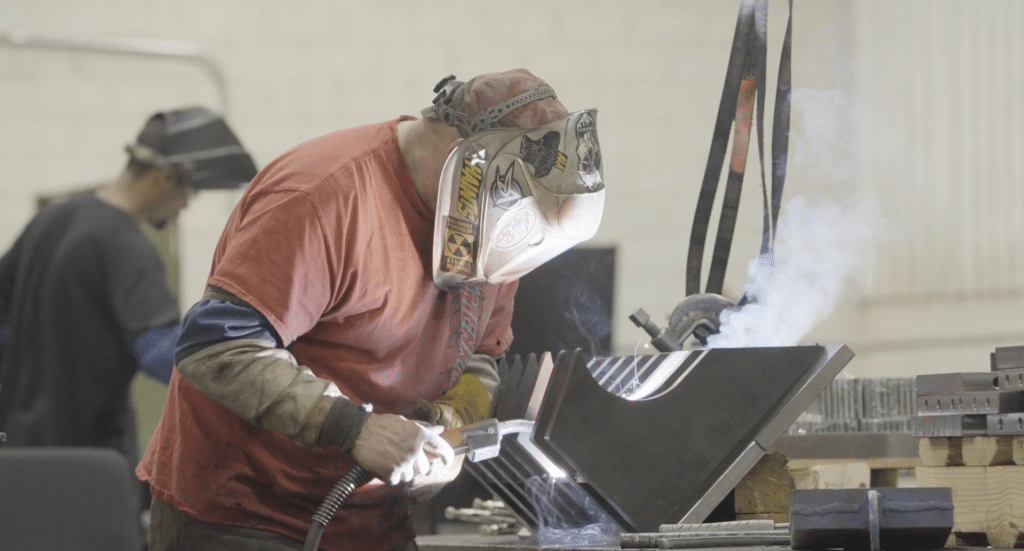
Most companies begin with a small group of capable people who believe in the vision. Those early team members rely on experience, creativity, and hands-on problem-solving to build the product, serve customers, and create the first versions of processes. In this stage, quality is often very high because the work is done by people who deeply understand every detail.
That approach works well at first. But as sales increase and volume rises, those same methods begin to strain. What once felt flexible and efficient is now slow, expensive, and inconsistent. Demand keeps growing, but capacity does not keep pace.
That is when operations must adapt.
Why hiring alone does not create true scale
The natural response to growth is to hire more people. More hands should mean more output. But this approach often creates new problems instead of solving the original one.
Highly skilled people are challenging to find. They are expensive to hire. And when systems depend on individual talent instead of repeatable processes, growth becomes unpredictable. Even if you successfully add talent today, the same challenge appears again when volume increases next quarter.
Scaling operations only through people eventually becomes too costly and too fragile.
True scale comes from systems.
Mapping the work before you multiply it
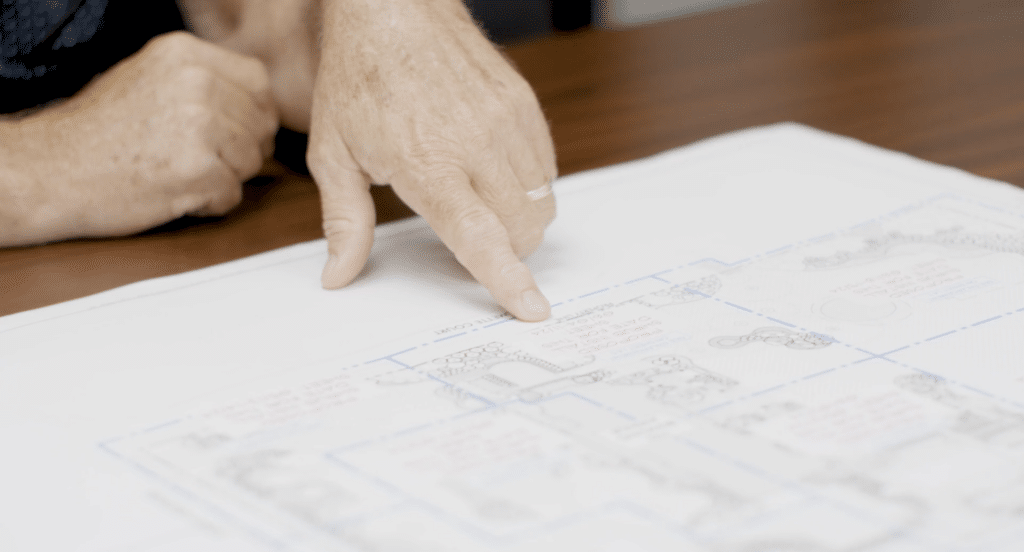
The most innovative way to increase capacity is to understand, in detail, how the work actually gets done. Every product, service, and workflow consists of a series of steps. When those steps live only in people’s heads, growth is limited by memory and experience.
Process mapping is the discipline of documenting each step clearly from start to finish. It allows experienced team members to transfer their knowledge into a system that others can follow. This creates consistency, exposes waste, and reveals opportunities for efficiency.
When processes are clear:
• New employees ramp up faster
• Output becomes predictable
• Quality improves
• Cost per unit decreases
Minor improvements across each step compound into meaningful growth.
Measuring capacity and identifying bottlenecks
Once the process is clearly defined, you can measure how much each step can actually produce. This is how you establish a baseline for output.
Every operation has at least one constraint that limits how fast the entire system can move. That constraint sets the pace for everything else. If that limiting step can be improved, the whole operation accelerates.
Sometimes capacity can be increased by improving efficiency. Other times, it can be increased by adding parallel capability to relieve pressure. The goal is not to speed everything up. The goal is to strengthen the step that controls the pace of the whole operation.
Using measurement to guide improvement
When output is measured consistently, progress becomes visible. These measurements serve as performance indicators that reveal what is working and what is not.
They allow leaders to:
• Track improvements over time
• Catch problems early
• Set realistic growth targets
• Hold the operation accountable without emotion
Measurement turns improvement into a disciplined practice instead of guesswork.
Strengthening documentation for consistency
As production volume increases, the clarity of documentation becomes more important than ever. What early experts consider obvious is often unclear to newer team members. Gaps in instructions create variation, rework, and frustration.
Detailed step-by-step documentation protects product quality while allowing less experienced employees to perform consistently. When instructions are thorough, output becomes more predictable, and training becomes more effective.
Consistency is what makes scale possible.
Training people to support growth
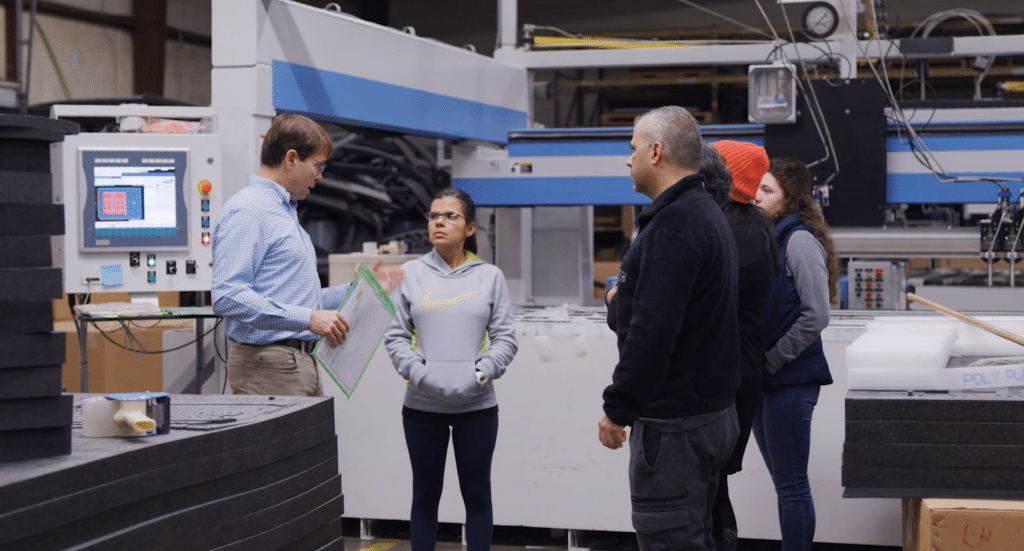
Systems do not replace people. They empower them. Once processes are documented and measured, training can be structured rather than improvised.
New employees learn faster. Team members can be cross-trained across multiple steps. Flexibility increases. Vacation coverage becomes easier. Burnout decreases because the system no longer relies on a few individuals carrying the entire load.
Often, the best ideas for improvement come from the people doing the work every day. When those ideas are tested against real measurements, improvements can be implemented with confidence instead of risk.
This is how steady, repeatable improvement is created when scaling operations.
Scaling operations without losing what made you successful
Growth does not come from chaos. It comes from clarity, discipline, and continuous refinement. Processes are meant to evolve. Measurements are intended to be reviewed. Documentation should improve as the operation improves.
These elements work together to support:
• Higher volume
• Better quality
• Lower cost per unit
• More predictable outcomes
• Stronger team performance
The business becomes stronger as it grows, not more fragile.
Scaling Operations: Moving forward with confidence
Scaling a business is not about pushing harder. It is about building smarter. When operations adapt alongside growth, capacity expands without sacrificing quality, people, or profits.
By documenting work, measuring throughput, strengthening training, and consistently improving processes, a business moves from surviving growth to leading it.
Growth will come.
The question is whether your operations are prepared to carry it forward with stability and confidence.